Blog
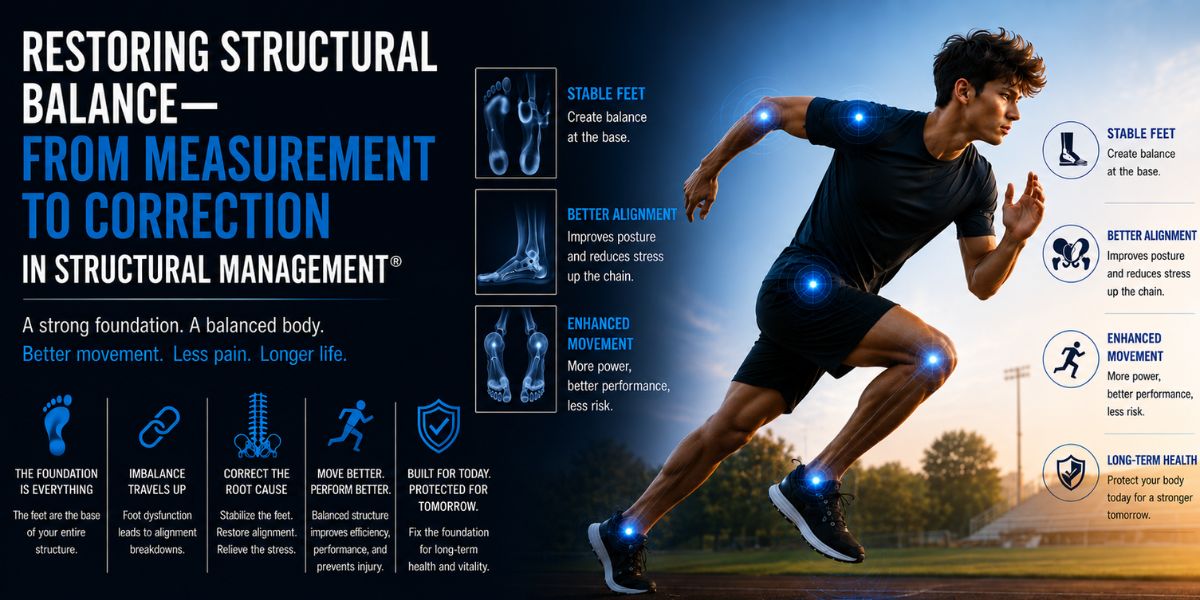
Restoring Structural Balance—From Measurement to Correction in Structural Management®
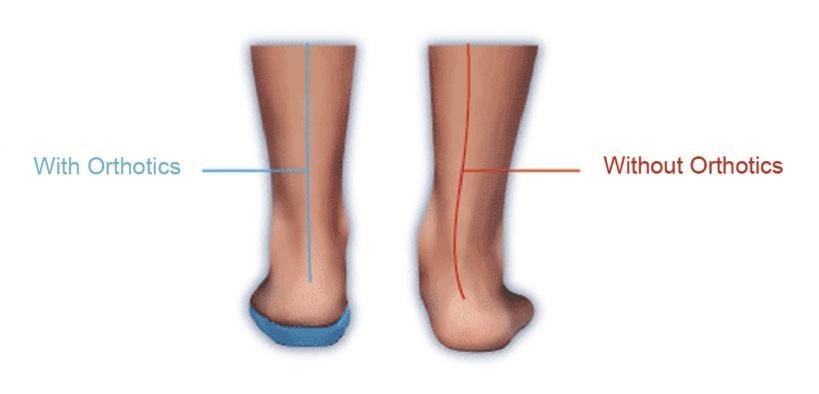
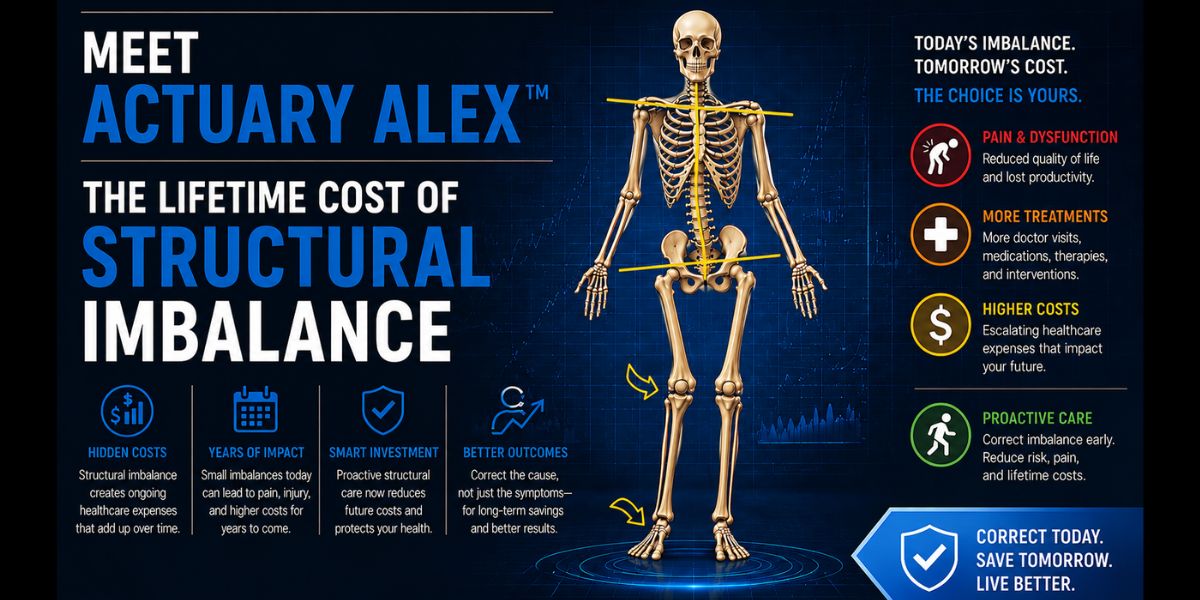
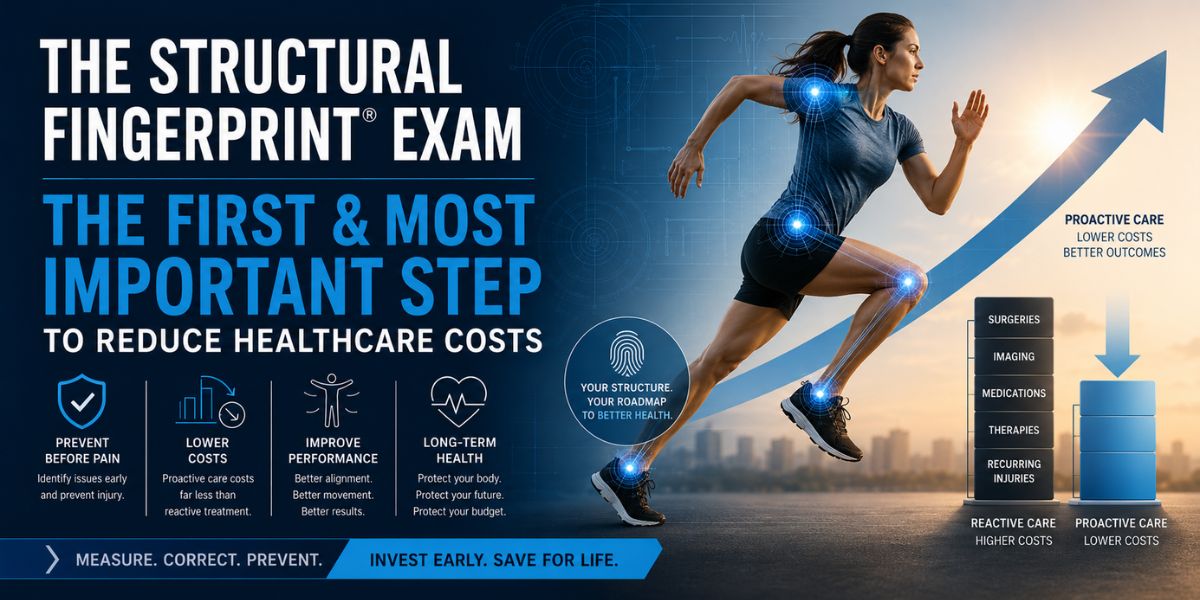
In the first four articles of this series, we established a clear progression: the human body functions as a mechanical system, it must be measured objectively through the Structural Fingerprint® Exam, healthcare costs are reduced through early detection, and correction must begin at the foundation—the feet. With these principles in place, the next critical step becomes clear: how do we move from measurement to meaningful, lasting structural correction?
Restoring structural balance is where Structural Management® transitions from analysis to action. It is the phase where data becomes direction, and where precise, individualized interventions replace generalized care. Without this step, even the most advanced assessment remains incomplete. Measurement identifies the problem—but correction changes the outcome.
At its core, structural correction is about restoring symmetry, balance, and efficient load distribution throughout the body. When the body is properly aligned, forces move through it evenly, reducing stress on individual tissues and allowing the system to function within its natural tolerances. When it is not, compensation patterns dominate, leading to inefficiency, fatigue, and eventual breakdown. The goal of Structural Management® is to reverse this process—not temporarily, but in a way that is stable and sustainable.
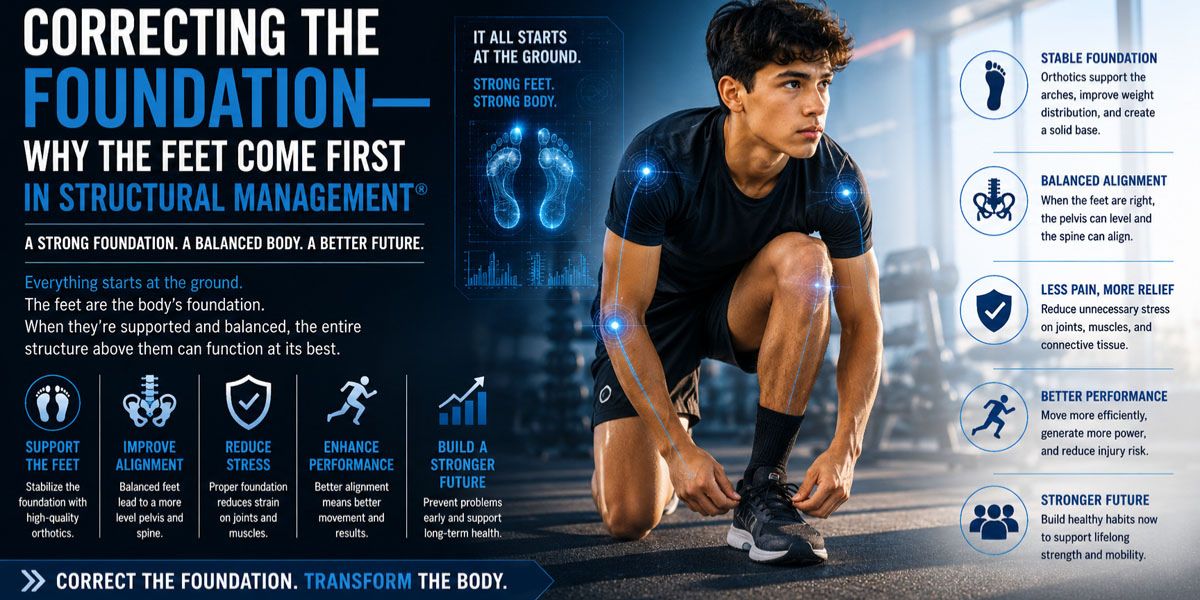
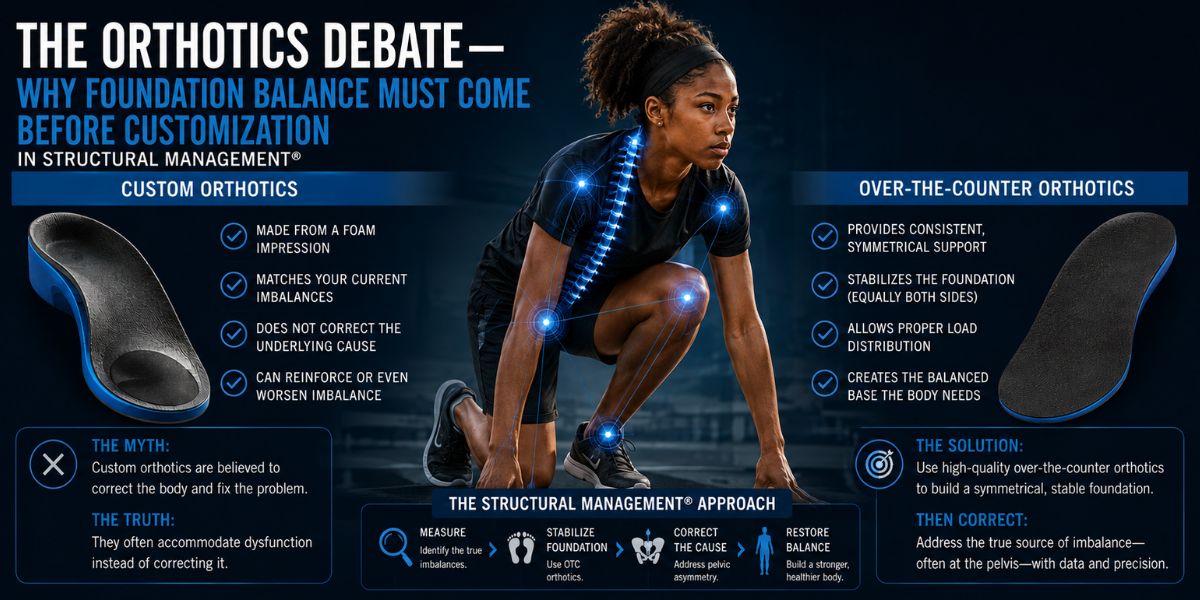
The process begins with the most critical principle established in Article 4: the foundation must be corrected first. Stabilizing the feet through properly designed orthotic support creates a balanced base upon which the rest of the body can align. This is not about comfort alone; it is about influencing the mechanical behavior of the entire kinetic chain. When the feet are stabilized, the knees track more efficiently, the hips move more symmetrically, and the pelvis is better positioned to support the spine.
However, foundation correction is often only the beginning. As identified through the Structural Fingerprint® Exam, a significant percentage of individuals—approximately 70%—continue to exhibit measurable femoral head height differences even after orthotic intervention. This indicates that while the base has been improved, the system still requires further balancing. In these cases, the strategic use of a heel lift becomes essential. By addressing asymmetry at the level of the pelvis, load distribution through the spine is improved, reducing compensatory stress and allowing the body to function more efficiently.
Once the lower structure is stabilized and balanced, attention can shift to the spine and surrounding musculature. This is where targeted interventions such as chiropractic adjustments, spinal decompression, and soft tissue therapies play a role. Importantly, these interventions are no longer applied in isolation. They are now part of a coordinated strategy guided by objective data. The purpose is not simply to reduce symptoms, but to reinforce and maintain the structural corrections initiated at the foundation.
A key concept in this phase is sequencing. In engineering, the order in which adjustments are made matters. Correcting one component before stabilizing another can lead to incomplete or temporary results. The same is true in the human body. By following a structured sequence—foundation first, then pelvic balance, followed by spinal alignment—the system is corrected in a way that promotes stability and durability. Skipping steps or altering this sequence often leads to recurrence, as the underlying forces driving dysfunction have not been fully addressed.
Equally important is the concept of adaptation. The body is not a static structure; it is dynamic and constantly responding to the forces placed upon it. As structural corrections are introduced, the body must adapt to a new, more balanced state. This process takes time and requires consistency. Muscles, ligaments, and neural patterns must all adjust to the improved alignment. During this phase, patients may experience changes in how they move, stand, and even perceive their posture. This is not a setback—it is a necessary part of the correction process.
To support this adaptation, targeted movement strategies and exercises may be introduced. These are not generic fitness routines, but specific interventions designed to reinforce structural balance and improve functional efficiency. When combined with foundational correction and structural alignment, they help integrate the changes into everyday movement patterns, making the correction more permanent.
Another critical element of restoring structural balance is objective follow-up measurement. Just as the Structural Fingerprint® Exam establishes the baseline, repeat evaluations confirm whether corrections are effective. This creates a feedback loop that ensures care remains precise and responsive. If a correction is successful, it is reinforced. If not, it is adjusted. This level of accountability is what distinguishes Structural Management® from traditional approaches that rely on subjective improvement alone.
The long-term benefits of restoring structural balance are significant. When alignment is optimized, load is distributed evenly, reducing stress on joints, discs, and soft tissues. Movement becomes more efficient, requiring less energy and producing less wear over time. Injury risk decreases, recovery improves, and performance is enhanced. Perhaps most importantly, the body operates within its natural tolerances, slowing the degenerative processes that lead to chronic conditions.
From a broader perspective, this phase represents the realization of everything established in the earlier articles. Measurement without correction has limited value. Foundation correction without full system balance is incomplete. But when all elements are integrated—measurement, foundation stabilization, structural correction, and ongoing evaluation—the result is a system that functions as it was designed to.
Restoring structural balance is not a quick fix; it is a process. It requires precision, sequencing, and a commitment to addressing the body as a complete mechanical system. But when done correctly, it produces results that are not only effective, but lasting.
All Blog Articles